Disclosure: this article may contain affiliate links, which means I may earn a commission if you purchase through them, at no extra cost to you.
Creating a Funnel That Actually Converts
Have you ever wondered why your subscribers aren’t turning into paying customers? Well, it’s often not your product’s fault. It’s your funnel, and that might need some attention. Many of us focus intensely on perfecting the product, which is important. But the secret sauce often lies in how we guide potential customers through their journey with us. Your funnel, if you think about it, is the bridge that transforms interest into action. If it’s not working, it’s time to re-evaluate and refine.
What an Email Funnel Really Is
An email funnel is essentially a sequence of emails that guide your subscribers from the moment they sign up to the point of making a purchase. Think of it as a journey you’re taking the subscribers on, all automatically. Once it’s set up, there’s very little extra work needed from you. Here’s a simple example. You start with offering a freebie, also known as a lead magnet. This is something valuable that your subscribers can sign up to, and then you nurture them with a series of emails that build trust and provide value. Finally, you present an offer that leads to a sale. The key is to engage your audience at each step and guide them towards a purchase gently. This approach can help turn interested subscribers into loyal customers.
Step One, Creating a Lead Magnet
Here’s where you begin to build the bridge from interest to investment. The key is to offer something of real value for free. Think of a checklist, a guide, or even a minicourse. What’s important is that it’s not just about giving something away. It’s about attracting the right audience to your email list. The goal is to connect with people who truly resonate with what we have to offer. When we attract the right audience, we set the stage for a successful engagement.
Step Two, Building a Landing Page
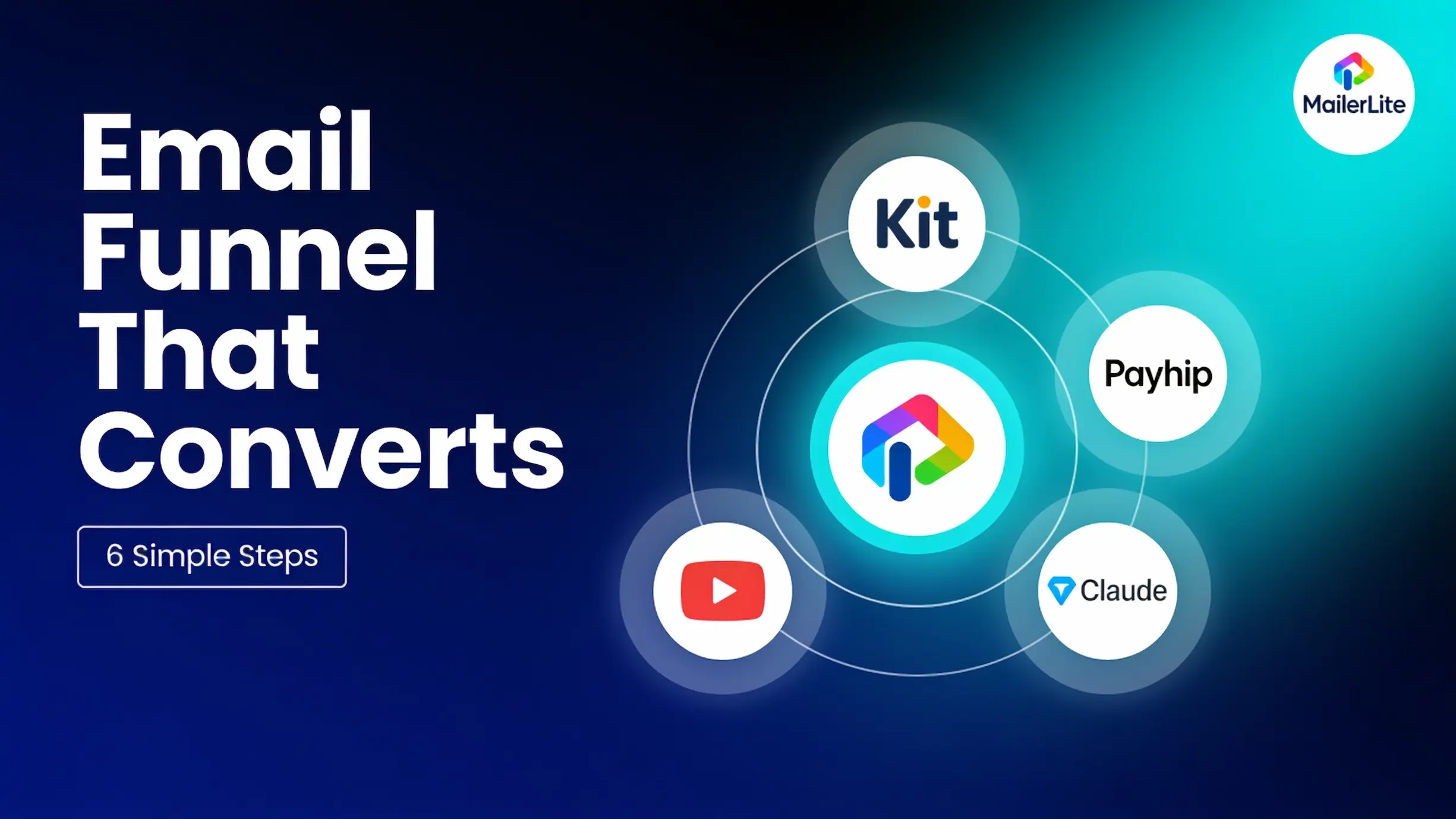
This is where the magic happens. The landing page is the first thing your potential subscriber will see, so it’s crucial to make a great impression. Use platforms like MailerLite, ConvertKit, or Payhip to design a simple, effective signup page. Keep it clean and focused. One clear message and a strong call to action are usually all you need. The goal is to make it as easy as possible for visitors to sign up. That’s the whole point of a landing page.
Step Three, Writing Your Welcome Sequence
Now you set the stage for a lasting relationship with your new subscriber. Here are three key elements to focus on.
Introduce Yourself and Your Brand Authentically
First, introduce yourself and your brand authentically. Let them know who you are and what you stand for. Think of it as a friendly hello, digitally.
Share Some Immediate Value
Second, share some immediate value. This could be a quick win or an insight into something that is relevant to your audience. The goal is to provide something that they can use right away so they can see the benefit of staying connected.
Focus on Building Trust
Third, focus on building trust. Before you share any offers, make sure your audience feels that they can rely on you for quality and integrity.
The Welcome Email
The welcome email should be warm and inviting. Start with a simple, quick hello in the subject line. In the body, express your excitement to have them on board and outline what they can expect from you. This sets a positive tone for your relationship. These emails just lay the groundwork for future engagement and sales, so take your time crafting them. And if you are struggling with them, try using AI tools to help you craft them. But provide the information to put in these emails so that it feels like it is coming from you.
Step Four, Introduce Your Offer
Now that you’ve built trust with your subscribers, it’s time to introduce your offer. This isn’t about a hard sell, it’s about offering a solution to your audience’s problem.
Frame Your Product or Service as a Natural Solution
First, frame your product or service as a natural solution. Your subscribers already like and trust you, so show them how your offer fits into their journey.
Highlight the Benefits
Second, highlight the benefits. Explain how your product can make their lives easier or help them achieve their goals.
Reassure Them There’s No Pressure
Third, reassure them there’s no pressure. Encourage them to check out your product while letting them know that more valuable content is coming their way, even if they aren’t ready to buy. The email sequence does not stop here. Make sure they know they’ll keep getting your emails even after this offer. It’s not all about sales. It’s about keeping the relationship going.
Step Five, Automating the Whole Thing
Now that you’ve introduced your offer naturally and you’ve got your welcome emails, it’s time to automate the whole thing. The beauty of automation is that it allows your email funnel to run 24/7, which is amazing. This means that your subscribers can engage with your content at their own pace and whenever they want. To automate, you just need to set up triggers in your email platform. For instance, when someone signs up for your lead magnet, they’ll automatically start receiving your welcome sequence. This creates a smooth, efficient flow that nurtures each subscriber with little to no manual input.
Step Six, Tracking and Optimization
This step is important for making sure your email marketing efforts are effective.
What to Track
First, let’s talk about what to track. Keep a close eye on the open rate, clickthroughs, and conversions. These metrics will tell you how well your emails are performing, and where there’s room to improve.
Low Engagement
If you notice low engagement, don’t worry. There are ways to fix this. Consider updating the subject line. They’re often the first thing people see and they can make a big difference. Also, look at your calls to action. Are they a bit weak? Do they need boosting?
Optimization Is an Ongoing Process
Optimization is an ongoing process. You will set up all of these emails, but there will be minor tweaks to do throughout, just to make sure that they are effective and that they are resonating with your audience as well.
Bonus Tip, Keep Nurturing Your List
It’s easy to forget this after setting up your first funnel, but you don’t want to disappear. Keep showing up with useful content and offers that help your subscribers. Set up a series of emails with basically the same format, giving value, building up that trust and offering a product every few emails. Or you can introduce sources to your blogs and things that have the product on the end.
There are many ways to introduce your product without actually putting it in your email, so have a think about that. But don’t just set up six emails and leave it. Keep adding to those automated email sequences. You want to keep being informative every week or month, however you’ve set it up, but be consistent in the information you’re sharing, because that trust will remain as long as you are sharing something of worth to them.
Go Ahead, Get Started
Now you know how to get started with emails and welcome sequences and when to share those offerings. Go ahead and get started, and use AI tools. There are plenty out there to help you.
Look for examples of other emails that people are sending out. Think about the product you want to offer and how you could do it. Think about the topics you could share in all those automated emails as well. So if it’s marketing, maybe share some tips, some marketing tools or some useful YouTube videos, that type of thing. Just provide as much value as you can.