Defining the Path to Freelance Freedom and Portability
Introduction to Location Independent Careers
Freelancing for beginners, broken down in a way that actually makes sense, helps build a portable career that allows working from anywhere in the world. Below are some not so common strategies that help land the very first freelance clients without begging for one.
Understanding the Core Concept of Freelancing
What exactly is freelancing? It’s when you offer your services directly to an individual or a business and they pay you for the service you offer. It’s as simple as that. And the fun part is anybody can become a freelancer. You just need to figure out what skills you have that someone is willing to pay for and voila, you’re in business.
But if it’s that simple, why does it feel so hard to get started? Because once you start looking into it, your brain automatically starts to ask questions like, “What can I offer as a freelancer? Do I need to register a business? Where do I find clients? How do I price myself?
Do I need contracts? What about invoices?” and you are overwhelmed and action paralysis sets in. So, let’s slow down and reduce the brain overwhelm and break this freelancing thing into clear and easy steps.
Strategizing Your Skills and Offerings for New Freelancers
Choosing an Offer Based on Professional Experience
The first step is a no-brainer. You have to decide what exactly you want your freelance offer to be. Usually, the recommendation is to freelance in something that you already have experience in. For example, working in marketing for a couple of years in the tech industry means that naturally, the freelance business would be in marketing, since there is already experience and skill within this area from a full-time job. But if you don’t yet have experience in the area you want to freelance in, you can start by learning the skills then working on one or two projects for free to fine-tune your skill.
Learning and Fine-Tuning New Skills for Portfolios
So for example, let’s say the goal is to start a freelance business as a video editor, but there is no editing experience. The approach would be to go on YouTube, learn how to edit videos with tools like Cap Cut, Adobe Premiere Pro, Da Vinci Resolve, or Final Cut Pro. This is actually how many people teach themselves how to edit videos. Once the skill is learned, reach out to a few small content creators and offer to edit some of their short videos for free. Then use these assets to start building a portfolio. More on building portfolios later. No experience is a waste. All you have to do is know how to package what you have into the right offer that somebody is willing to pay for.
Reducing Risk and Validating Your Business Model
The Benefits of Starting as a Side Hustle
The next step, a highly recommended one, is to consider starting a freelance business as a side hustle before going full-time. Starting freelancing as a side hustle before taking it full-time is recommended because, first of all, it allows validation of the freelance offer to see if it’s a viable money-making option before taking the leap of faith and quitting a job to start freelancing full-time.
Managing Pressure and Building Resources Gradually
Doing it this way also reduces the level of pressure to make money at all costs. For example, when freelancing on the side while working full-time, the money made is like a side income. You don’t necessarily need it to survive, but it definitely makes life much more comfortable. This way, you get to choose what kinds of projects you want to work on without the extra money and hustle pressure, and you can work at your own pace without the extra survival pressure.
Meanwhile, you are learning, you are building your contact and your portfolio for when you are ready to go full-time. This is the easier way. But if you are a very bold person and you want to jump straight in, then of course you can jump into freelancing full-time without starting as a side gig first. There are no hard and fast rules to these things.
Navigating the Legal Landscape for Global Business Operations
Selecting Strategic Locations for Business Registration
The next step is to figure out the legal stuff. Should you register a business? For those using freelancing as a tool to build a portable career that allows living and working from anywhere in the world, the question looks different. Rather than setting up a business based on where you live, the better question is: where can you register a business that you can operate from anywhere in the world irrespective of where you live?
Understanding Local and International Business Requirements
Some countries are easier to set up businesses in than others. You might want to explore registering your business in places like the US or the UK or the UAE or Estonia or Malta. Each of these countries has its pros and cons. So, make sure you do your own research based on your life goals and your life plan. If however your goal is not location independence but to just set up a freelance business so you can freelance full-time then you can skip this step and just register a business where you live.
Depending on where you live, this could mean something like registering as a freelancer, setting up a sole proprietorship or a limited liability company. Depends on where you live. For people in Germany, you could register as a Freiberufler depending on the type of freelance work you’re doing or you can register as a GmbH. So, now that you figured all that out, the next step is to show people what you can actually do.
Showcasing Your Expertise Through Effective Portfolios
Building Non-Traditional Portfolios Without Fancy Websites
And how do you do this? You need a portfolio. And no, you do not need a fancy website to start. A portfolio is just a place where people can see what you actually do. That could be like your LinkedIn profile or an Instagram page or a notion document with examples of the work you’ve done or the work you’re doing.
For example, because a freelance business is in content marketing, the portfolio could be Instagram, YouTube, and TikTok. Starting to create content on social media as a creative outlet outside of a full-time job can lead to opportunities coming your way.
So, indirectly, a social media channel serves as a portfolio even before realizing one is needed. But not everyone needs a portfolio. Depending on the type of business you have and the level of network you’ve built up, you might not need a portfolio. But if you’re a beginner, you most likely need one.
Mastering Outbound and Inbound Client Acquisition Strategies
Utilizing Networks and Direct Outreach for Beginners
To the burning question most people want to know — how do you find clients for your freelance business? There are two major ways that you can find clients. One works better than the other. One works better for those who are just starting out and the other works better for those who are already very experienced. Let’s talk about the strategy for beginners first. If you are a beginner and you’re just starting your freelance business, you want to do what is called outbound marketing. This means you go out there and look for your clients. You can start by looking into your network, the people that you already know, the people you’ve worked with in the past.
Engaging with Ideal Clients Through Social Interaction
Tell them about your freelance business. Send them emails. Send them DMs. Chances are that they know someone that knows someone that knows someone that needs the service that you’re offering. Another way to find your clients as a beginner freelancer is to follow people or businesses who are your ideal clients. Interact with their content online, respond to their stories, comment on their posts, then send them a very short DM stating your offer, how it can benefit them, and ask them to connect you to the right person to discuss a collaboration further.
The reason why this method works well is because when you interact with their content before sending them a DM, it makes you a kind of familiar face and chances are that they will respond because they already kind of are familiar with your profile. For example, let’s say you’re starting a freelance business as a virtual assistant and you want to get new clients. You would follow entrepreneurs online, interact with their content regularly, respond to their stories, comment on their posts, and after some time, send them a DM stating how exactly your services as a virtual assistant provide 10x value for them, and ask if they’re willing to jump on a short virtual meeting to share more details.
Leveraging Events and Organic Networking Opportunities
One way for getting new clients that works very well is through networking and attending events. Networking doesn’t have to be cringe — it’s just meeting people and making new friends. Nothing beats meeting people in real life, making a natural connection and speaking about what you do and who knows, maybe getting an opportunity. Of course, networking or making friends should not be done with the sole aim of getting a client. Do it because you actually enjoy meeting people and making friends and the rest just comes organically. Some of the best freelance opportunities come from random conversations.
Inbound Marketing for Experienced Freelancers
If you are already quite experienced, then inbound marketing will be the best way to get clients. This means your clients find you and come to you. Maybe they found you on social media or through your website or maybe through a referral from a client you’ve worked with in the past. If you’re just starting out though, you probably have zero inbound clients.
Managing Professional Payments and Formal Agreements
Establishing Deposit Structures and Signed Contracts
Next, let’s talk about the money. Now that you finally have a client, before you start any client’s work, ask for a deposit. Period. It’s very normal. You can either do a 50% deposit before commencement and 50% after completion of the work. Some people do a 30% and 70% deposit split. It doesn’t matter what percentage you choose. The most important thing is to make sure that you get a deposit. This shows commitment from your clients.
Documentation and Professional Financial Setup
Also, make sure you have a documented and signed agreement that contains the scope of work and the deliverables and the terms and conditions of payment and so on. If you registered a business, then your business can issue an invoice and you should already have set up a separate bank account to receive these payments in.
Achieving Long-Term Flexibility in Your Freelance Career
Transitioning to Full-Time and Maintaining Portability
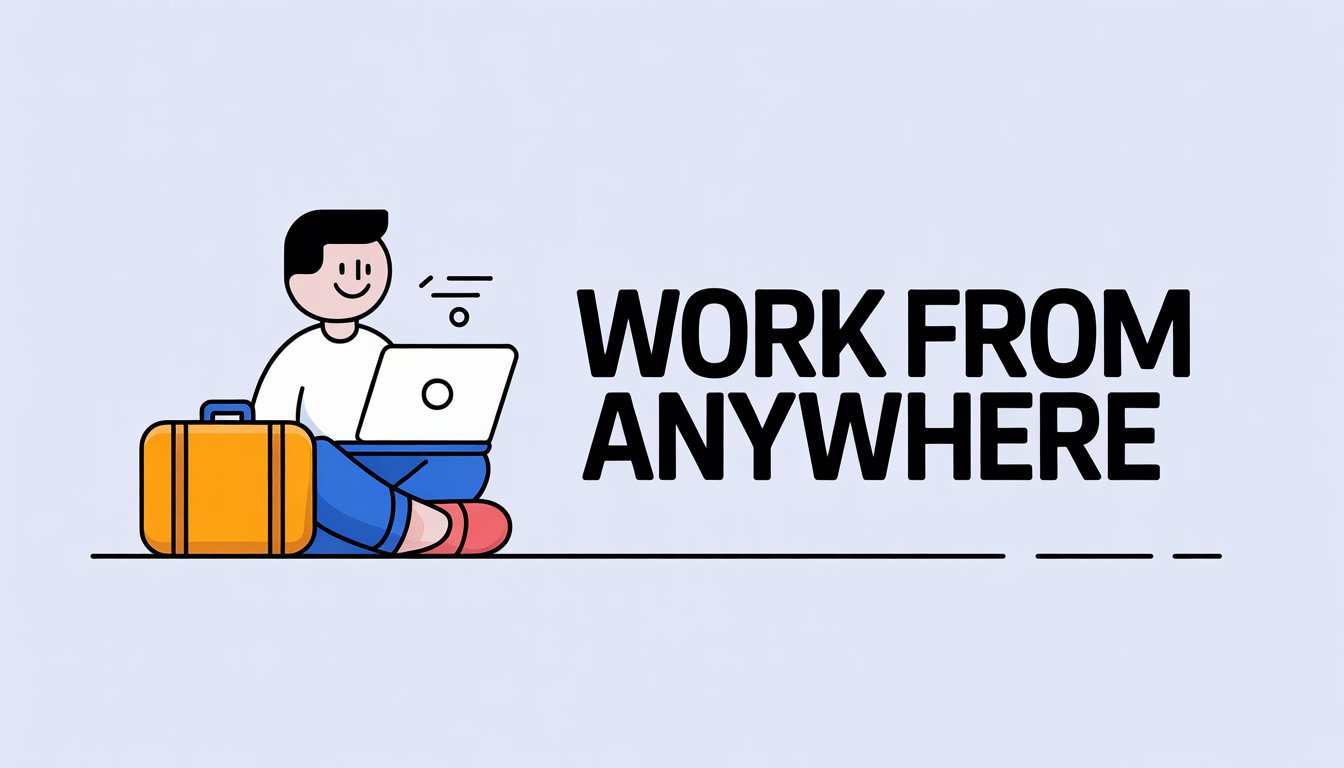
If you have a desire to design a flexible career that fits around your life, freelancing is definitely for you. And no, you don’t have to quit your job and start freelancing immediately. You can start as a side gig on a slower pace and then transition to full-time over time. You get more freedom, more flexibility. You control your work schedule. You can work from anywhere in the world. And if for some reason you have to move to a new country, you don’t have to start from scratch. You can simply take your business with you and work from the new country.
Final Encouragement and Overcoming Common Barriers
And you don’t have to be in content marketing or social media to start a freelance business. Freelancers are project managers, consultants, engineers, data analysts, and more. The list goes on. You just need to figure out how to package your skill and experience into something that someone is willing to pay for. Freelancing is not the easiest way, but it gives you something really priceless, which is freedom and flexibility.
Call to Action and Community Support
What is stopping you from freelancing? All the best in your freelance journey. Read More